Global Ukrainian Summit: How the Global Ukrainian Community Is Evolving
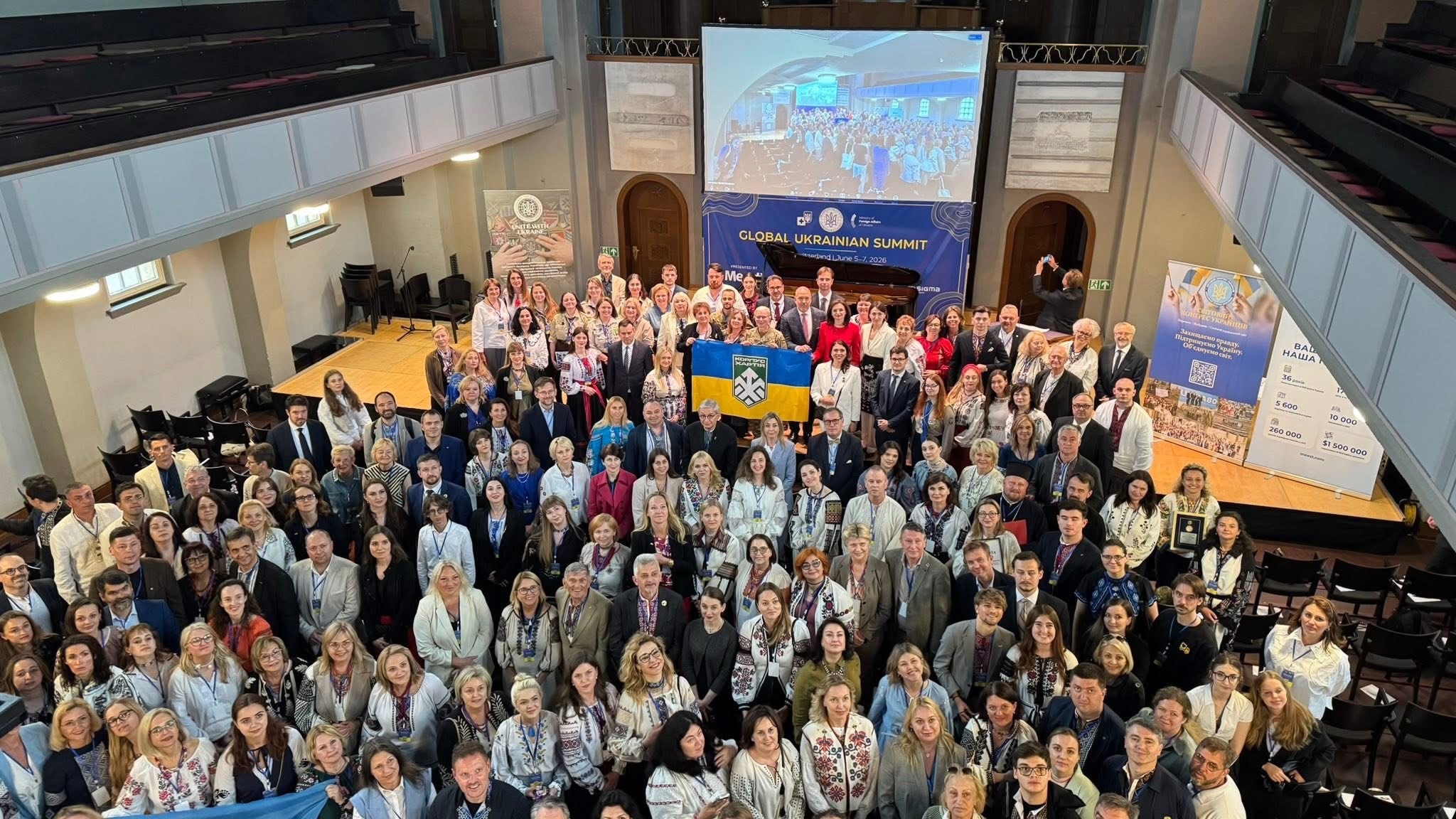
On June 5-7, the Global Ukrainian Summit took place in Bern, organized by the Ukrainian World Congress (UWC). It brought together around 300 representatives of Ukrainian communities from more than 50 countries.
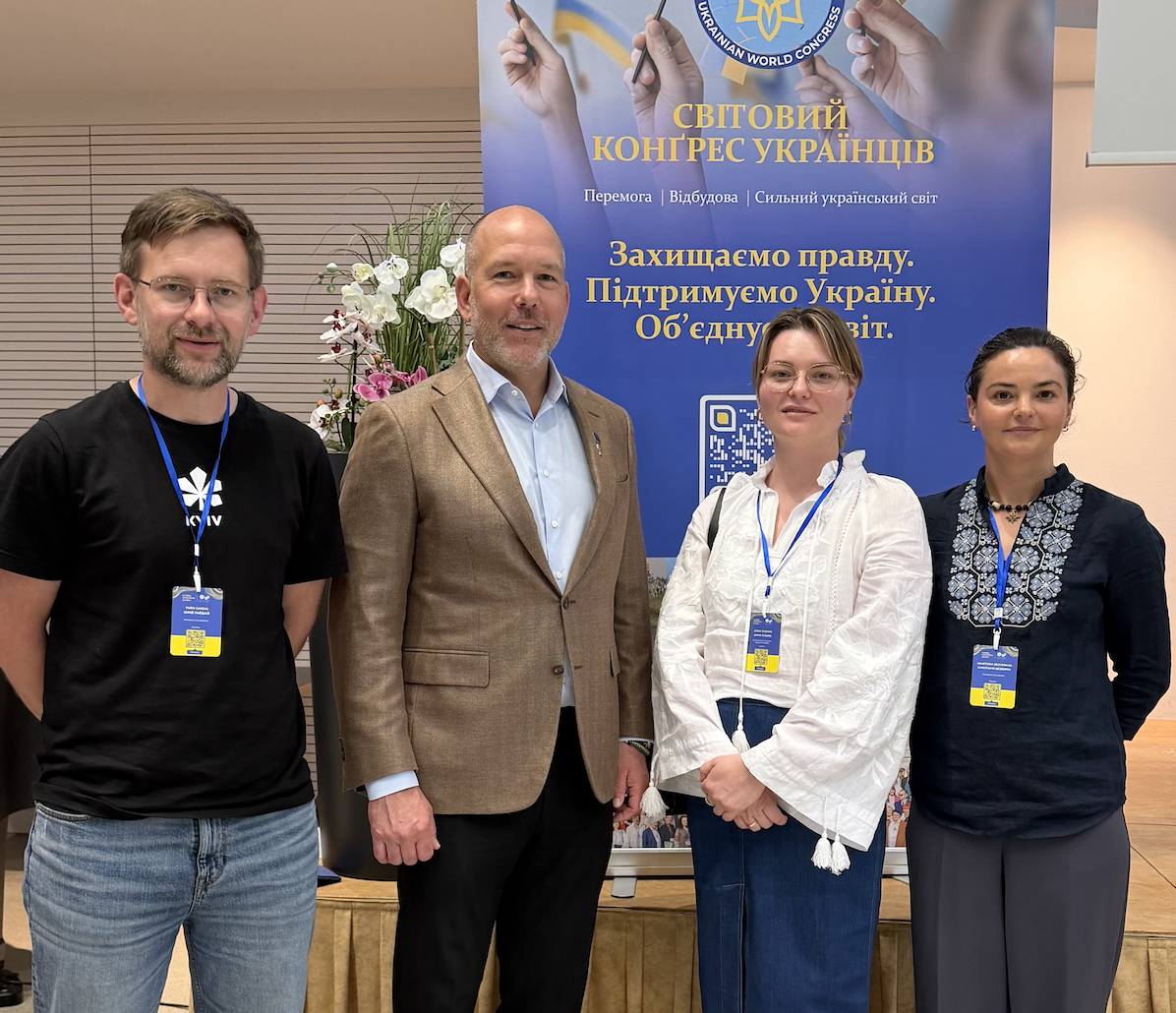
The summit was attended by Anna Sushko, Co-Founder of Mnozhyna Foundation; Anastasiia Bezverkha, Head of the Identity Program; and Yurii Haidai, Head of Analytics.
For Mnozhyna Foundation, the summit provided an opportunity to better understand what drives the global Ukrainian community today and what challenges Ukrainian communities abroad are facing.
One of the key takeaways was that a strong and sustainable Ukrainian identity requires a well-developed institutions and infrastructure.
Identity does not form on its own. It is nurtured through schools, youth organizations, cultural initiatives, educational programs, shared traditions, and lasting connections between generations.
For Ukrainians living abroad, preserving language, culture, and traditions have long been the primary way to maintain their bond with Ukraine across distance and generations. This is why today there are second- and third-generation Ukrainians who were born outside Ukraine yet continue to speak Ukrainian, support Ukraine, and play an active role in their communities.
russia’s full-scale invasion has transformed the role of Ukrainian communities abroad.
Alongside preserving language, culture, and collective memory, new challenges have emerged.
Today, Ukrainian communities are advocating for Ukrainian interests in their countries of residence, work to strengthen sanctions against the aggressor state, raise awareness of russia’s war crimes, tackle the difficult issue of returning abducted Ukrainian children, raise funds for Ukraine’s defense, and build partnerships that will contribute to the country’s future recovery.
Their role is no longer limited to maintaining ties with Ukraine. They have become active participants in Ukraine’s struggle for freedom and independence.
The global Ukrainian community is far from homogeneous – and that is one of its greatest strengths.
Each wave of migration has contributed its own institutions and initiatives, responding to the needs of its time. The post-war generation of emigrants established the first Ukrainian Saturday schools, Plast scouting organizations, Ukrainian-language newspapers, and cultural associations. The economic migrants of the 2000s helped provide the financial foundation for many communities.
The newest wave of Ukrainians forced to leave their homes because of russia’s war against Ukraine has both strengthened existing communities and launched new initiatives. These communities have become the driving force behind mass demonstrations against russian aggression around the world.
These groups bring different experiences, different needs, and different kinds of ties to Ukraine. For this reason, one of the key challenges facing Ukrainian communities abroad is creating opportunities for all generations to work together, drawing on the skills, networks, and talents of Ukrainians around the world.
One of the priorities highlighted by the Ukrainian World Congress is the creation of a strong and inclusive global Ukrainian community in which people with different experiences can develop and contribute as part of a shared Ukrainian identity.
During a speech by Yuliia Paievska (“Taira”), a servicemember of the Khartiia Corps and one of the summit’s guest speakers, news broke of another prisoner exchange between Ukraine and russia.
For one of the summit delegates, the announcement was deeply personal. A representative of the Ukrainian community in Japan learned that her nephew was among those released. The hall erupted in applause, hugs, and tears.
Moments like these serve as a reminder that belonging to the Ukrainian community is not defined by physical proximity to Ukraine. One can live thousands of kilometers away and still remain deeply connected to the country’s reality – grieving its losses and celebrating its victories.
The Global Ukrainian Summit underscored – Ukrainian identity does not end at Ukraine’s borders. Yet for it to remain strong and continue to evolve, it requires support, renewal, and investment.
Today’s global Ukrainian community is being shaped by a delicate balance – between continuity and tradition on one hand, and contemporary transformation on the other; between shared memory and new experience.