Ukraine Recovery Conference 2026: Veterans and Their Role in Rebuilding Ukraine
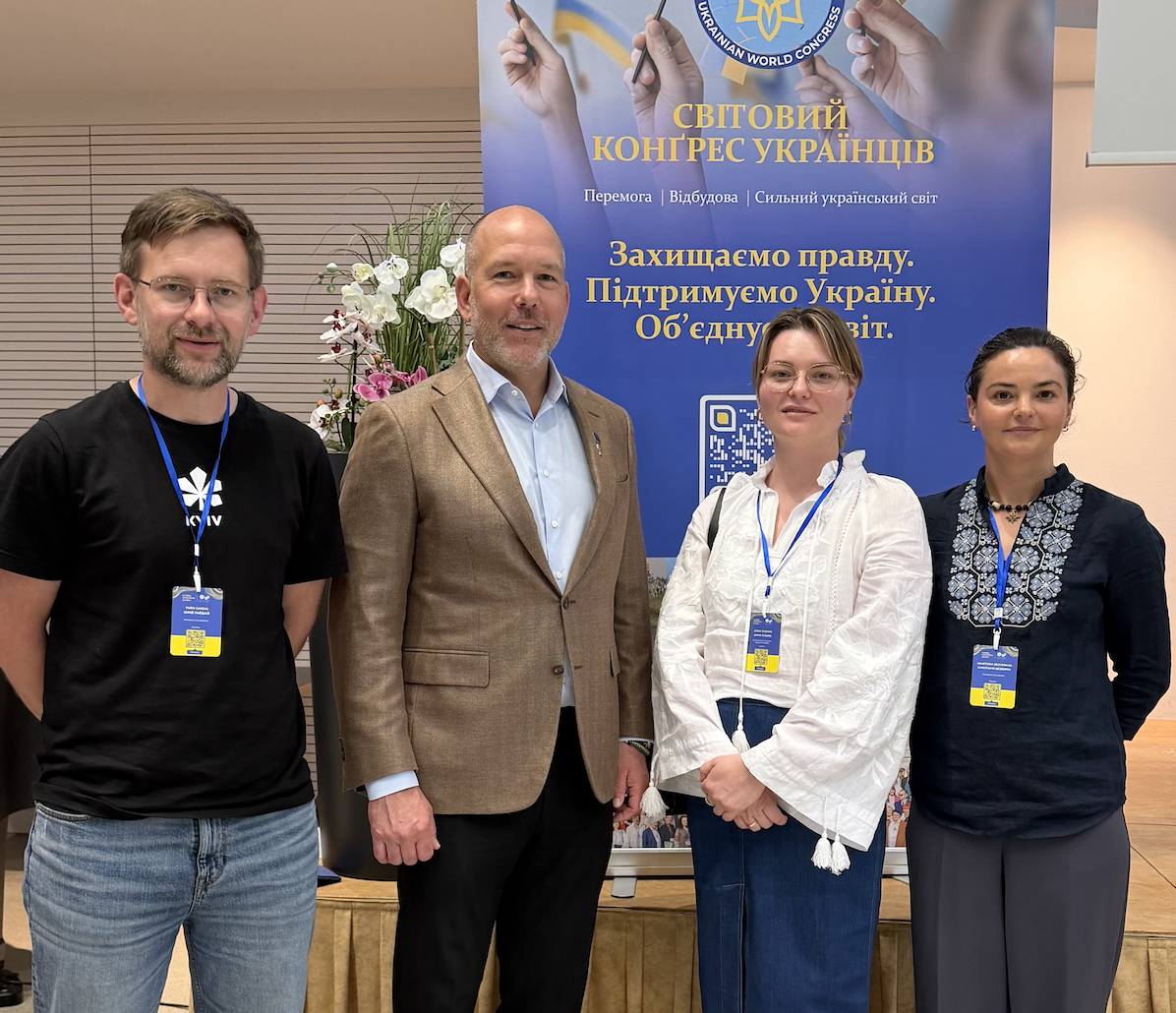
Ukrainian veterans should be recognized as full-fledged participants in Ukraine's recovery, not merely as the subject of discussion. This message was repeatedly voiced by members of Ukraine's veteran community during Ukraine Recovery Conference 2026 in Gdańsk.
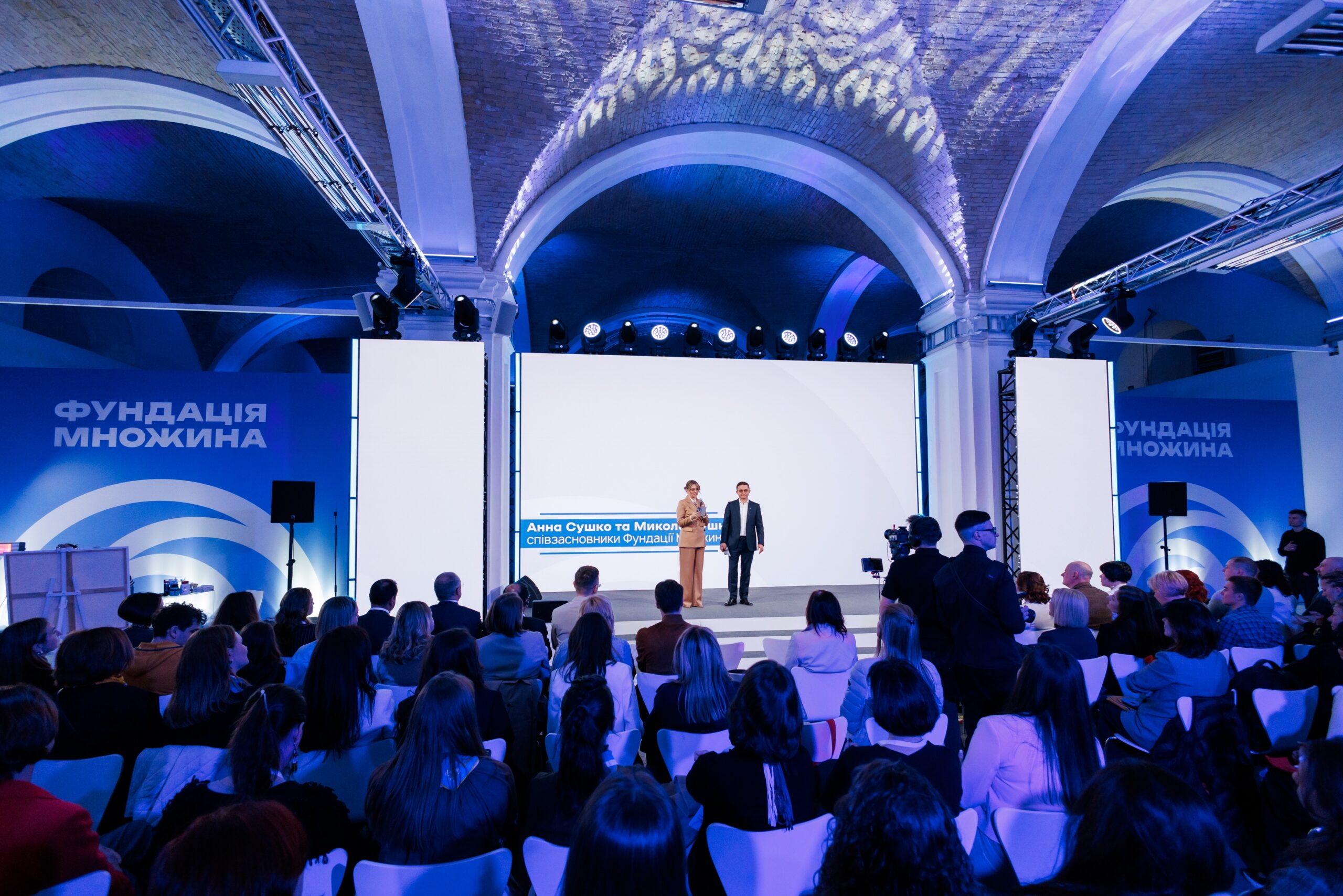
Among them was Taras Kovalyk, a veteran and Head of the Resilience Program at the Mnozhyna Foundation.
“Our goal at URC is to ensure that the voices of Ukrainian veterans are visible and heard. We also want to remind our partners that investment in veterans’ recovery cannot wait,” says Taras.
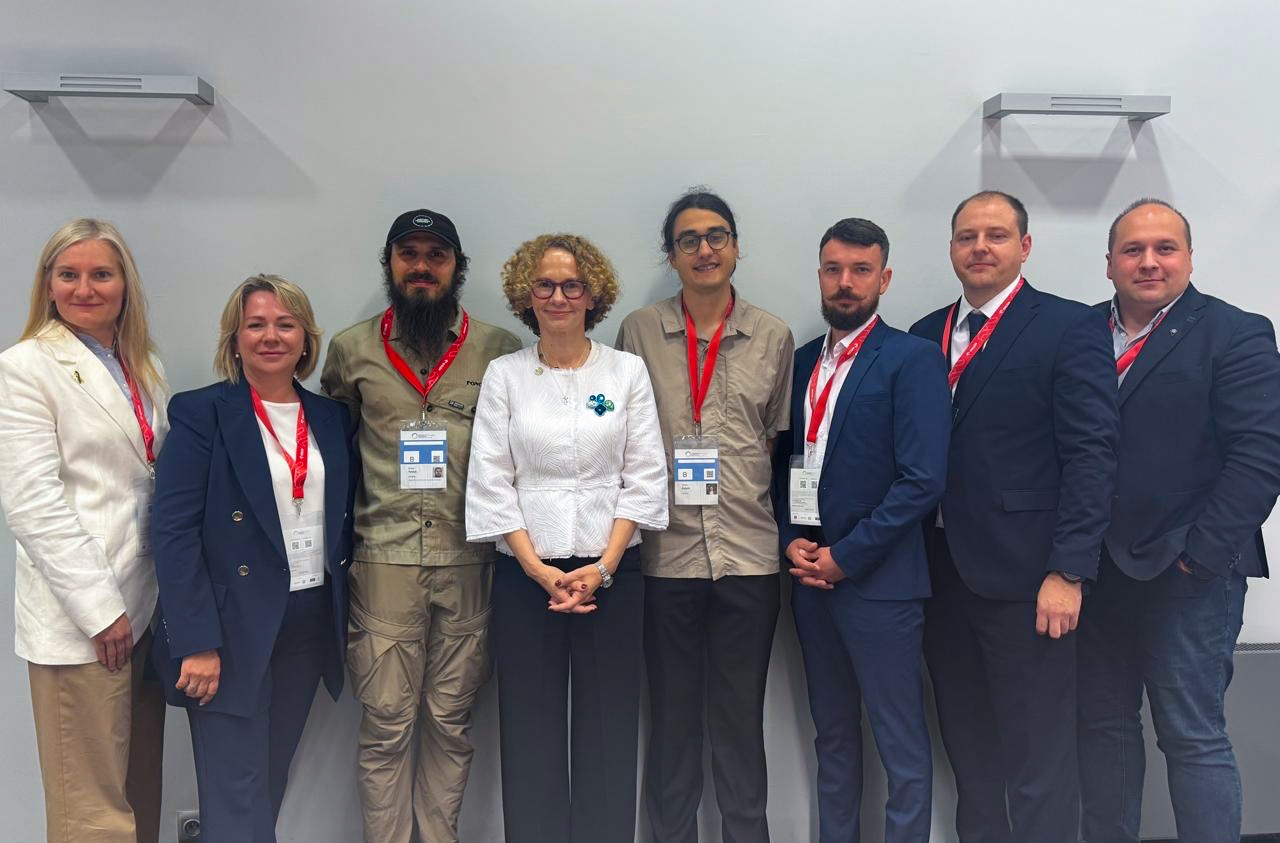
Over two days, Ukrainian veterans met with international partners, diplomatic missions, and organisations working in veteran support, including representatives of the United States, Estonia, Canada, Sweden, France, Poland and other partner countries, as well as Radmila Shekerinska, Deputy Secretary General of NATO.
These conversations covered a wide range of issues related to veteran policy. Below are several key takeaways.
- Support Should Begin During Military Service
One of the strongest messages raised by Ukrainian veterans was that psychological support should not begin only after demobilisation. Access to psychological assistance during military service helps service members transition more smoothly to civilian life and reduces the risk of more serious long-term consequences.
This requires sustainable mechanisms that enable specialised organisations to provide psychological, psychotherapeutic and psychiatric support outside the military system. At present, demand for these services significantly exceeds the resources available.
- Economic Reintegration Is About More Than Employment
For many veterans, the first challenge after military service is not simply finding a job. It is understanding who they have become after the experience of war and how to build the next chapter of their lives. Employment provides financial stability, but it is not always the first need. Equally important is finding a renewed sense of purpose, a new role, and a place in civilian life.
- Ukrainian Veterans Are More Than Recipients of Support
Ukraine has developed unique expertise through the experience of war, and that knowledge is increasingly valuable to international partners. Ukrainian veterans should be recognised not only as recipients of assistance, but also as professionals whose experience can help shape international conversations on veteran policy and recovery.
“I would like our international partners to see Ukrainian veterans not only as recipients of support but also as people they can learn from,” says Taras Kovalyk.