The Community as a Whole: Identity, Meaning and Transformation
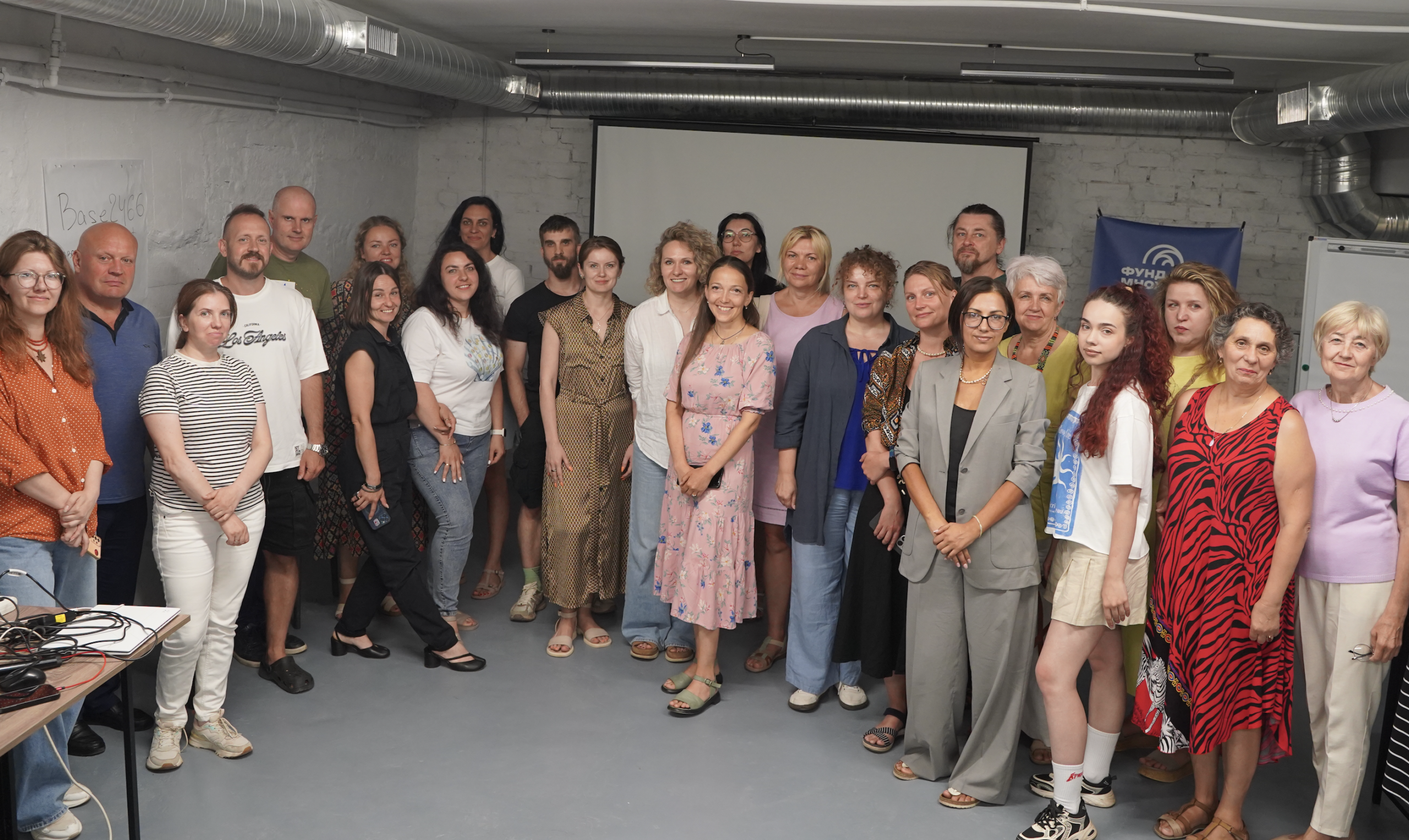
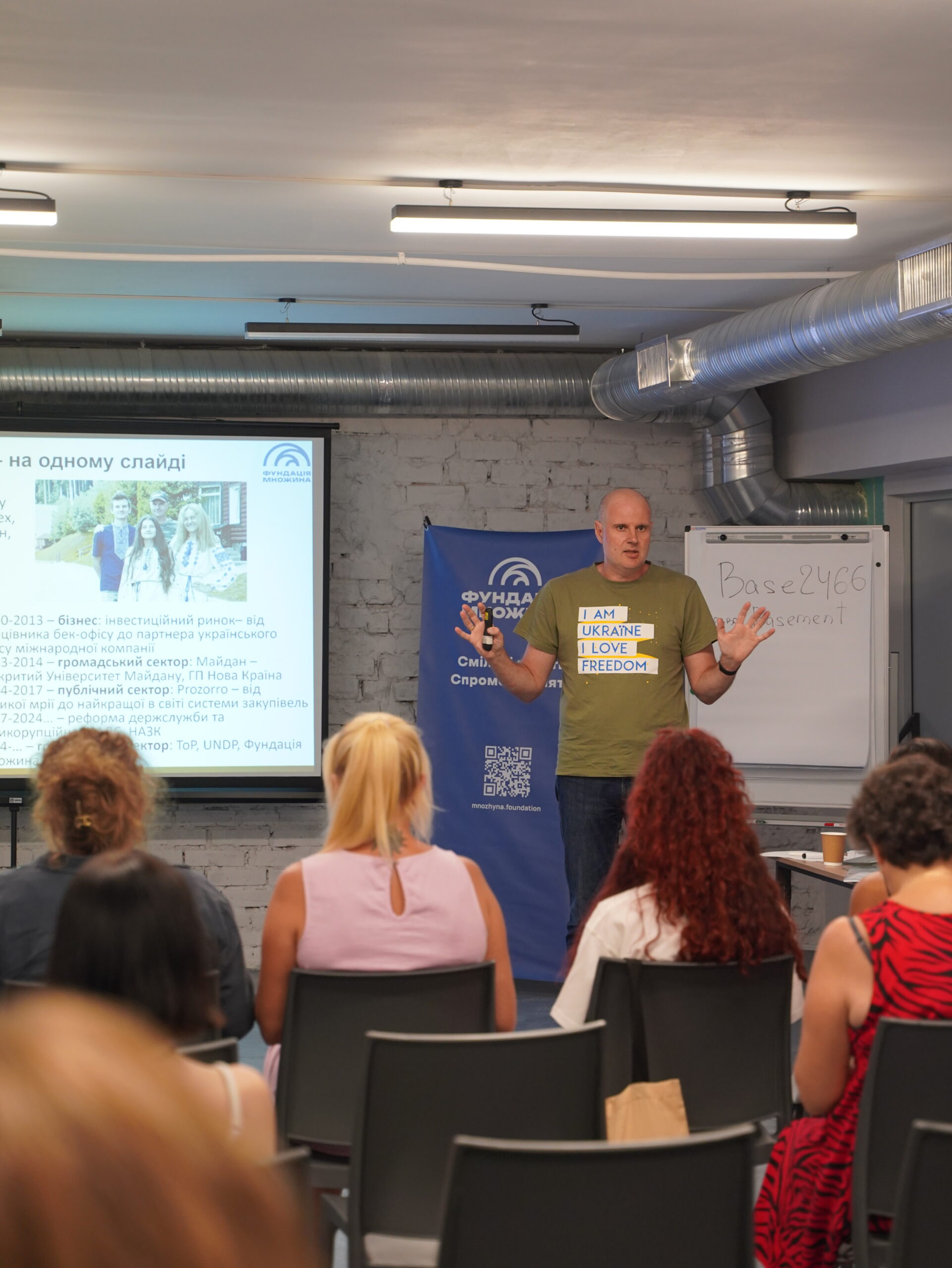
On July 30, Oleksandr Starodubtsev, Head of the Capability Program at Mnozhyna Foundation, delivered a lecture titled "Identity and Meaning in Communities: Community as a Whole and Its Transformation" for the Responsible Citizens NGO.
The discussion explored what creates a sense of home, which community assets often remain overlooked, and why lasting change begins with a group of people willing to take responsibility.
The lecture approached the community as a living system whose development depends not only on resources and infrastructure, but also on people, shared meaning and a sense of belonging.
Urban development is typically described in terms of budgets, roads, buildings and infrastructure. These are important, but on their own they cannot explain why people feel connected to a particular place or are willing to take responsibility for its future.
“A city becomes home not when everything works perfectly, but when people recognize themselves in it.”
A sense of home emerges through relationships, shared experiences, care, memory and rituals. A city begins to feel like one’s own when people associate it with important events, know its stories and see it as part of who they are. This cannot be achieved through an administrative decision or by adding a separate item to a development strategy.
A conversation about community identity can begin with three questions: Who am I? Who are we? And who are we not? The answers help a community understand what it is today and what it wants to become. This is why a development strategy should not be limited to a list of infrastructure projects. It should offer people a clear vision of the future and answer the question of what they are prepared to do together to make that vision a reality.
An example of this approach is the work of Lviv’s Univska Group, which in the early 2000s sought a way to combine the city’s economic development with the preservation of its distinctive character. These discussions ultimately contributed to the establishment of the Lviv Business School at the Ukrainian Catholic University. A vision for the future was translated into a tangible institution.
A community’s potential is often assessed in terms of land, property, budgets, roads or municipal enterprises. Yet its social and cultural assets are no less important:
- shared meaning — an understanding of who the community is and what purpose it serves;
- stories and local heroes through whom the community makes sense of itself;
- communities built on trust and collaboration;
- events and rituals that regularly bring people together and create shared experiences.
These assets are more difficult to measure, but they determine whether people are willing to take responsibility, work together and invest their energy in the development of their city.
Resources and new infrastructure may not be enough if people are not prepared to make use of the opportunities available to them or take responsibility for them. Community development therefore cannot be separated from strengthening the community’s agency.
Change cannot be created on behalf of a community or brought in from outside as a ready-made solution.
“You cannot impose ‘good’ from the outside. The community itself must want change.”
The role of those working in community development is not to provide the right answers, but to help people start a conversation, recognize their own assets and build an environment capable of collective action.
The first step is neither a large-scale infrastructure project nor a new strategy written by external consultants.
The first step is to form a core group of people who trust one another, understand what matters to them and are prepared to take responsibility for the decisions that follow.
This approach is embedded in the Capability Program’s vision for community development.
We work from the premise that sustainable development becomes possible when economic change is combined with a shared vision of the future, a strong core of local leaders and lasting platforms for collaboration. We therefore plan to explore which combination of these factors could provide the foundation for a replicable community development model aimed at improving well-being and quality of life for residents.